
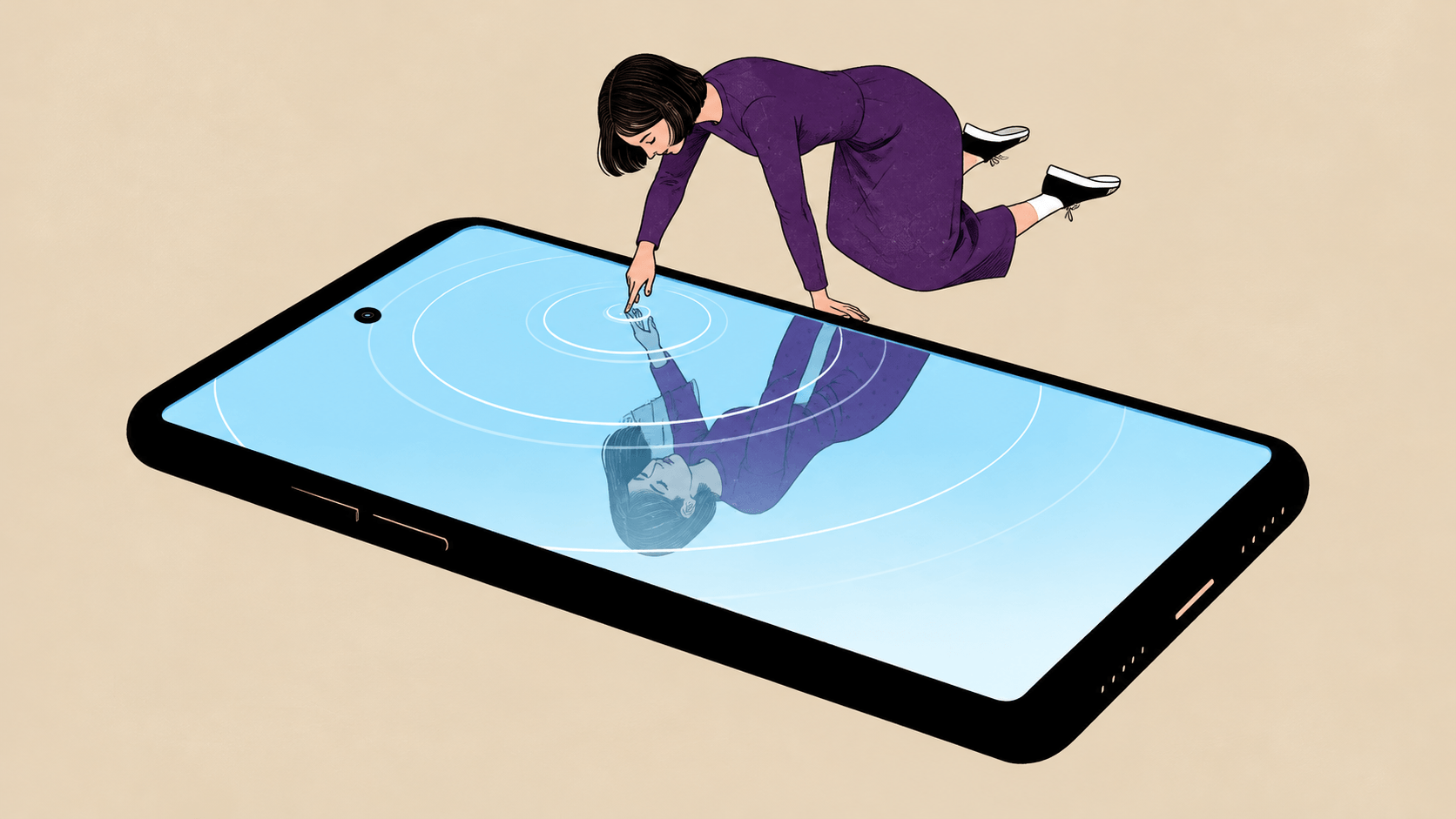
Let’s say you give a talk at a conference. The room is full and the applause is loud, and the moment you step off the stage you leave through the back door. Nobody got to ask you anything, and nobody got to shake your hand. It was a great talk, but you walked away with nothing from it.
That’s what happens when a post does well and we move on to the next one. We see the impressions, feel good about them, and consider the job done. But impressions are only the applause. The reason you gave the talk was to meet the people in the room.
So what is an impression anyway?
LinkedIn counts an impression every time your post shows up on someone’s screen. That’s all it means. If someone scrolls past your post in the morning and scrolls past it again at lunch, that’s two impressions. Even opening your own post counts.
LinkedIn also shows you a number called members reached, which counts each person once. So if your post has 5,000 impressions and 3,000 members reached, 3,000 people saw it and some of them saw it more than once.
But whether anyone read your post or remembered it shows up somewhere else.
Where to look instead
Say your post got 40,000 impressions and twelve people left a thoughtful comment. Those twelve are the ones worth your time. LinkedIn’s post analytics point you to them in four places:
Comments. These are the people who stopped scrolling and wrote back to you.
Sends. Someone read your post and thought of a specific person they wanted to forward it to.
Saves. Someone liked it enough to come back to it later.
Viewer demographics. This shows you who saw your post by job title and location, so you can check whether it reached the people you’re trying to reach.
What to do once a post does well
This is the coffee break part of the talk:
Reply to every comment that adds something. Share a detail from your own experience, or ask them a question back.
Message the people who wrote the best comments, privately. Keep it short and mention what they said, something like “Your point about [their point] stayed with me. Would you be up for a coffee?”
Open your viewer demographics. If the people who saw your post have the job titles you want to reach, your topic works for them. If they have different ones, you know what to change next time.
Take the best question or pushback from your comments and turn it into your next post. Mention the person who asked it, so they know you listened.
Stay for the coffee break
Think about the speaker who stays after the applause. She walks away with new contacts and a meeting in her diary. A good post can do the same for you, as long as you stay after the applause too.
So next time you check your impressions, check your comments as well, and start a conversation with the people in them. Believe me, it goes a long way.
By Romy Abdallah