
LinkedIn’s Copy and Paste Problem
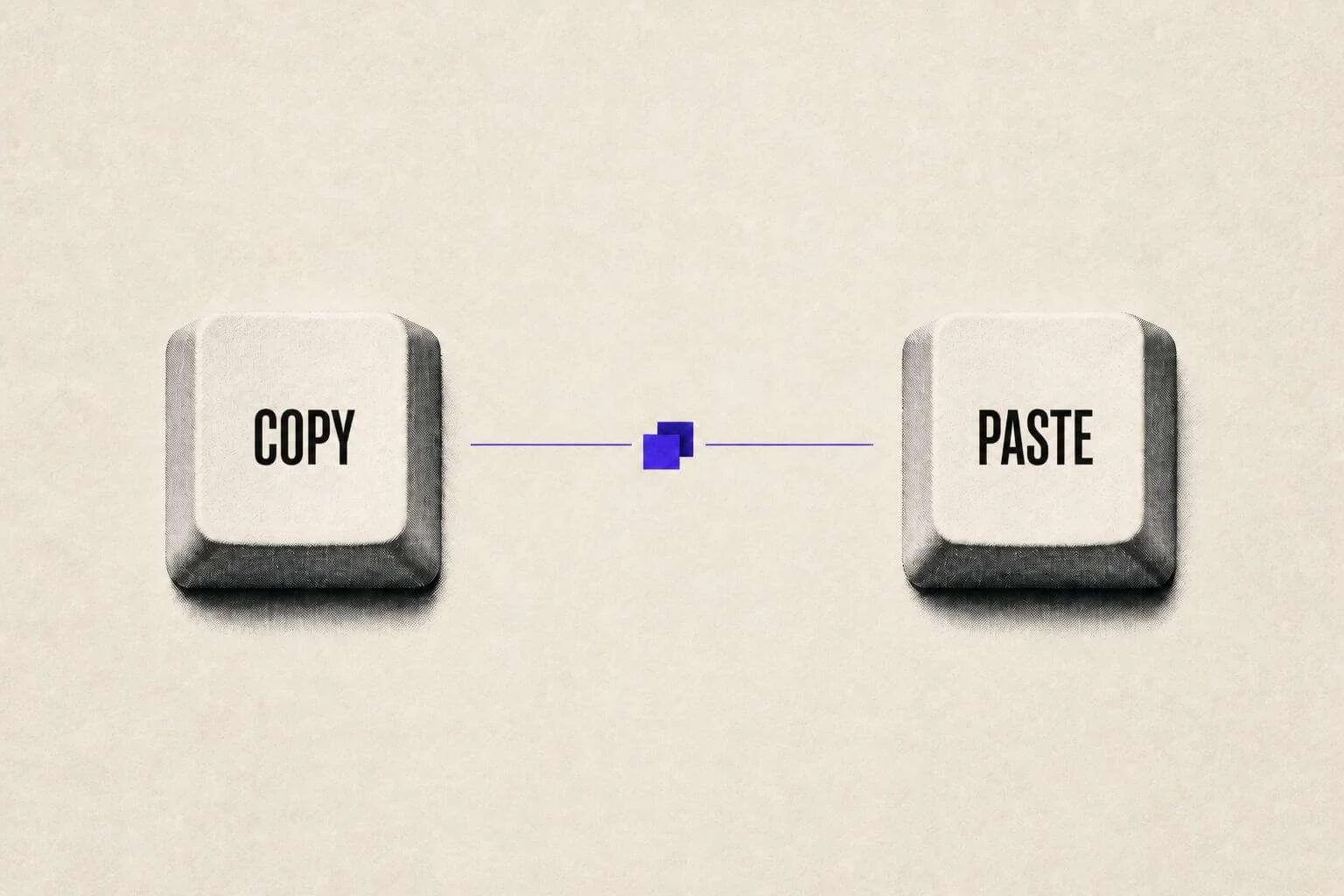
Two days after we published a LinkedIn post for a client, I saw it again in my feed under somebody else's name.
It was our post, copied word for word. The hook was identical, as were the first two sentences. Every line matched until the ending, where one sentence had been changed.
I sent it to the client. He laughed and said, "Well, at least we know it was a good post." Fair enough. Good content gets copied all the time, and some degree of copying is inevitable.
Still, seeing the post copied and pasted under another name made us think. We had left too little of the client inside it. Another person could put her name above it and the argument still worked.
That is a problem I see all over LinkedIn. Change the name and profile picture, and plenty of posts could belong to somebody else.
The temptation to let AI do the work
Most LinkedIn authors are experts in something other than writing. Some people can turn an idea into a good post without much effort. Plenty cannot, and that is completely normal.
AI tools have made that gap much easier to close. Give a tool a topic and it can return a readable post within seconds. The result can even feel strangely flattering.
You look at it and think, "Wow, did I write this? Really? Great. I'll take it." Except you probably would not have written it that way. You may not say it that way in a client meeting either.
Before you publish it, the draft needs something the tool cannot invent responsibly: your experience.
Specific and personal
At Sumea Social, we come back to two ingredients in almost every content review: specific and personal. I cannot state their importance strongly enough. A post can sound good and still feel interchangeable when both are missing.
Specific means the reader can picture or verify something. Numbers and data help when they have context. A name can anchor the story, while one precise detail can make a familiar subject feel new.
Two days is specific. "A few days later" is forgettable. "Word for word, apart from the final sentence" is specific. It shows exactly how much was copied.
Personal means the post contains a line rooted in your experience.
It can be very simple: "In my experience, this only works when..." A sentence like that places you inside the argument. It tells us what you have seen or decided. A stranger may copy the wording, but she cannot honestly borrow the experience behind it.
You can keep private details private. The post only needs enough of your perspective to make it recognisably yours.
The feedback I can give before reading your post
If you sent me a LinkedIn draft today, I could make a fairly safe guess about the feedback before opening it: make it more specific or make it more personal.
In most content reviews, one of those comments will improve the draft more than another round of sentence editing. Sometimes both are needed.
Before you publish, ask whether the post contains a detail the reader can picture or verify. Then find the sentence that could only come from your experience.
Good work will always get copied. That’s normal. You can still make yours specific and personal enough that it is unmistakably yours.