
LinkedIn’s March 2026 Algorithm Update: All You Need to Know
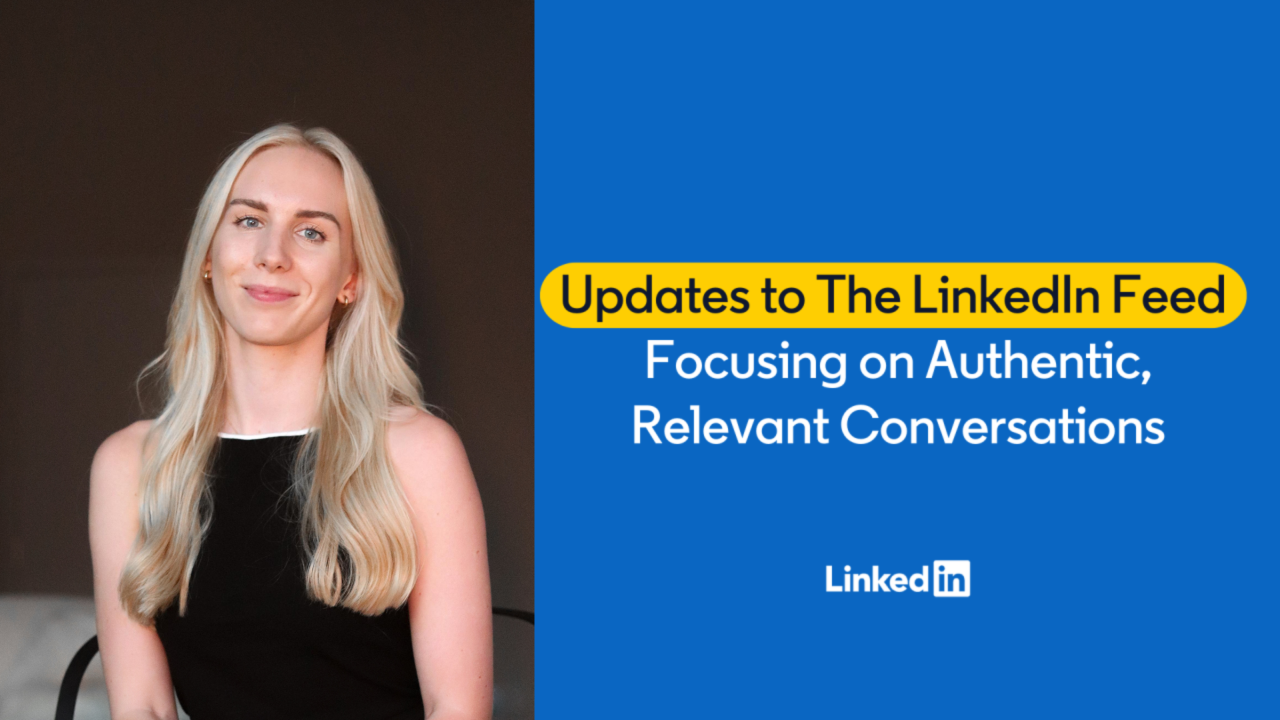
LinkedIn published an update this week explaining several changes to how the Feed works. The overview was shared by Tim Jurka, one of LinkedIn ’s senior engineers. For anyone posting on LinkedIn, these changes are worth understanding because they affect how your content is discovered.
The main shift is that LinkedIn is moving further toward relevance based distribution rather than simple reach.
Many people still assume that social media reach is primarily determined by the size of your network. That used to be the case on most platforms. But that logic has been changing across the industry for years. Instagram and TikTok already operate largely on relevance driven feeds. A large following no longer guarantees large reach. Content is distributed based on how relevant it is to viewers.
LinkedIn is moving in the same direction.
Below are the four updates described in the announcement and what they mean in practice.
1. Smarter content ranking with Generative Recommenders and LLMs
LinkedIn is rolling out a more advanced ranking system using what they call Generative Recommenders, supported by large language models.
These systems help the platform understand what a post is actually about. They analyze the topic of the content and match it with signals from user profiles and behavior.
The system considers several factors:
information users share on their profiles such as industry, experience, skills and geography
how users engage with content over time
which types of posts they read, interact with or ignore
This model is already familiar from other platforms. Instagram and TikTok made the same shift years ago.
2. Action against automated conversations and engagement pods
LinkedIn also confirmed that it continues to take action against artificial engagement.
This includes engagement pods, automated commenting tools, and browser extensions that simulate conversations between users (👋 Claude Code fans).
LinkedIn explicitly states that these practices are not allowed on the platform.
3. Less generic content and engagement bait
LinkedIn is also improving its systems to reduce repetitive content and engagement bait, for example:
Posts that ask users to comment a specific word in order to increase engagement will appear less frequently in the Feed. (“Comment YES if you agree.”)
Posting a video is unrelated to the accompanying text to attract attention visually.
Generic thought leadership posts that contain little substance or insight (blind copy-pasting from AI tools)
The goal is to show users content that provides useful professional perspectives, practical insights and real opinions.
4. Helping new members discover relevant content
Another update focuses on how LinkedIn introduces new users to the platform.
Historically the Feed relied heavily on signals such as profile information and engagement history. New members often experienced limited personalization because LinkedIn had little data about their interests.
To address this, LinkedIn is testing an Interest Picker during the sign up process.
New members can indicate which topics they want to see in their Feed, such as leadership, job search skills, career growth or product management.
This allows the platform to start personalizing content immediately rather than waiting for engagement data to accumulate.
For creators this means that posts can appear in the feeds of professionals who have never interacted with them before but share the same topic interests.
What this means for LinkedIn creators
Taken together, these updates reflect a broader shift in how social media feeds operate, with distribution moving away from reach to relevance.
Yet many people still focus on vanity metrics such as follower counts or short term engagement spikes. What increasingly matters is whether the platform understands what your content is about and who it is relevant for.
Questions about your LinkedIn strategy after these changes?
If you want help creating content, contact sumea social